











The details that seem small until they affect the entire schedule
Production teams don’t make obvious mistakes.
You’re experienced. You’ve done this before. You know how Fashion Week works.
The issues that come up aren’t basic; they’re the small operational gaps that only show up under pressure. And during Fashion Week, those gaps don’t stay contained.
They ripple across schedules, talent experience, and execution.
Most teams lock in travel once they have a working schedule
During Fashion Week: Schedules are never fully locked
What happens:
- Flights are booked too rigidly
- Hotels are confirmed at restrictive rates
- Changes require full rebooking instead of adjustments
And then:
- Talent needs to arrive earlier
- A show shifts
- A fitting gets added
Now you’re fixing instead of adjusting
Where This Actually Matters
- Refundable vs non-refundable hotel strategy
- Flight flexibility and fare class selection
- Ability to extend or shorten stays without penalties
This isn’t about paying more, it’s about buying flexibility where it matters
What Strong Teams Do Differently
- Use a mix of refundable and strategic holds
- Build in a buffer for key travelers
- Prioritize flexibility over marginal savings
This is one of the most common and least talked about issues
For VIP talent and high-profile guests, travel is part of the experience.
But often:
- Bookings are made under real names
- Hotels aren’t prepared for discreet arrivals
- Incidentals aren’t pre-arranged
Which leads to:
- Friction at check-in
- Delays at the front desk
- Visibility issues for talent
Where This Breaks Down
- No alias structure for hotel bookings
- No credit card on file for incidentals
- Hotel not briefed on arrival timing and preferences
What Makes the Difference
- Rooms secured under aliases where needed
- Credit card pre-authorized for incidentals (no personal card required)
- Hotel teams aligned in advance on VIP handling
The goal: A zero-friction arrival, nothing visible, nothing delayed
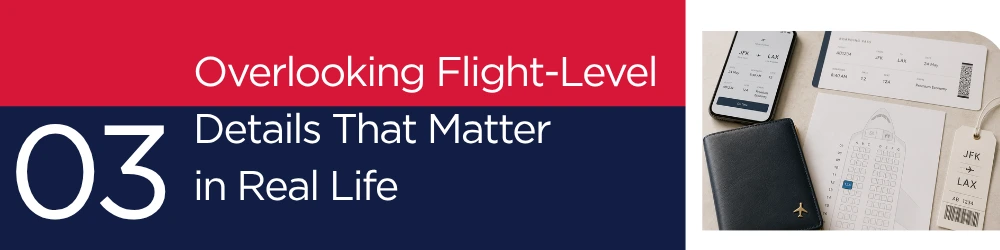
The Small Flight Details That Create Big Problems
What Gets Overlooked
- Seat assignments for talent or key team members
- Group travelers split across cabins unintentionally
- No priority boarding or baggage coordination
- Lack of flexibility on high-risk routes
Where This Shows Up
- Talent arrives uncomfortable or delayed
- Teams are separated unnecessarily
- Baggage delays affect fittings or shoots
What Experienced Teams Focus On
- Securing specific seat assignments early
- Aligning group bookings properly
- Planning baggage needs in advance
- Prioritizing routes that support timing, not just price
Flights aren’t just transportation; they impact how people arrive and perform
Ground Transport Is Timing Control
Transportation is one of the most underestimated areas. It’s often handled late or loosely, but it directly affects whether the day runs smoothly.
What Goes Wrong
- Drivers booked without a full itinerary context
- No confirmed contact details shared in advance
- Pickup times based on assumptions, not real timing
- No adjustment for traffic or show delays
Where It Breaks
- Talent waiting for cars
- Drivers unable to locate guests
- Delays between fittings and shows
- Last-minute scrambling
What Actually Works
- Driver details shared the day before (name, phone, vehicle)
- Schedules aligned to real movement, not ideal timing
- Clear routing between:
Hotel
Show
Event
Transportation isn’t support. It’s part of the production schedule
Delayed Payments Create Hidden Friction
This is one of the biggest hidden issues. Not because it’s hard, but because it’s delayed.
What Happens Without Structure
- Talent and teams use personal cards
- Incidentals are paid out of pocket
- Expenses are tracked later
- Reimbursements become a process
Where It Creates Friction
- Hotel check-ins slowed down
- Confusion around who pays for what
- Accounting clean-up after the fact
What Strong Systems Do Instead
- Pre-authorize payment methods for hotels and incidentals
- Set a clear structure for:
Who pays
What’s covered
- Centralize expenses during the trip
The goal: Nothing gets figured out at the front desk or after the show
None of these are “mistakes” in the traditional sense. They’re details.
But during Fashion Week: Details are what determine whether things run smoothly or not.
Final Thought
Production teams don’t struggle because they lack experience. They struggle because Fashion Week compresses:
- Time
- Availability
- Decision-making
This exposes the smallest structural gaps. When those gaps are handled properly:
- Travel becomes predictable
- Talent experience improves
- The production stays in control
Learn More
Fashion Week Production Travel
Planning for Fashion Week?
Frenchway supports production teams, fashion houses, and talent management groups across New York, London, Milan, and Paris, handling both logistics and the details that most teams don’t see until they matter.